Hibachi rice, a delicious staple of Japanese cuisine, is not just an accompaniment; it’s a dish that brings the flavors and techniques of hibachi cooking into your own kitchen. Known for its savory flavor and slightly crispy texture, hibachi rice is typically prepared on a hot grill, where it picks up a unique char and delicious umami notes. This recipe will guide you through the process of making authentic hibachi rice at home, highlighting essential hibachi ingredients and cooking techniques that make this dish a favorite for many. The best part? It’s incredibly versatile, serving as a perfect base for teriyaki chicken, beef, or vegetables, making it a great side for a variety of meals. Whether you’re hosting a gathering or simply enjoying a cozy night in, this dish is bound to impress your guests and family alike. The combination of textures and flavors not only tantalizes the taste buds but also offers a sensory experience that reflects the art of hibachi cooking. Let’s dive into how you can bring the art of hibachi cooking right to your dining table, creating a dish that not only satisfies your taste buds but also brings a touch of Japanese culture into your dining experience.
Ingredients
To make authentic hibachi rice, gather the following ingredients: You can learn more about this topic. Each ingredient plays a crucial role in achieving the distinctive taste and texture that defines this dish, so sourcing high-quality components is essential. Fresh ingredients not only enhance flavor but contribute to the overall texture and aroma of the dish. The careful selection of ingredients ensures that each bite is bursting with flavor and authenticity.
- Dry Ingredients:
- 2 cups of uncooked long-grain white rice – Opt for a premium grade for better flavor and texture. Ensure the rice is rinsed thoroughly under cool water to remove excess starch, which can cause stickiness, resulting in a less desirable final product. The right type of rice is crucial, as it affects the overall cooking process and end result.
- Wet Ingredients:
- 3 tablespoons of soy sauce – Use low-sodium soy sauce if you prefer a less salty taste, allowing you to control the flavor profile more effectively. Soy sauce not only contributes saltiness but also adds depth and color to the dish.
- 2 tablespoons of sesame oil – This oil adds a nutty flavor; make sure it’s toasted sesame oil for the best results. The aroma of toasted sesame oil is a key component in authentic hibachi cooking, providing that signature fragrance that elevates the entire dish.
- Vegetables:
- 1 cup of mixed vegetables (peas, carrots, and corn or bell peppers) – Fresh or frozen can work; just ensure they’re well-drained if using frozen. Using a mix of colors not only enhances the dish visually but also adds a variety of textures, making each bite more interesting and enjoyable.
- 1 small onion, finely chopped – A sweet onion like Vidalia can enhance the dish’s flavor. The sweetness of the onion contrasts beautifully with the savory elements of the dish, rounding out the flavor profile and adding aromatic depth.
- 2 green onions, sliced (for garnish) – These not only add flavor but also a beautiful color contrast to the final dish, making it look professional and appetizing. The freshness of green onions is a perfect complement to the warm, savory rice.
- Proteins (optional):
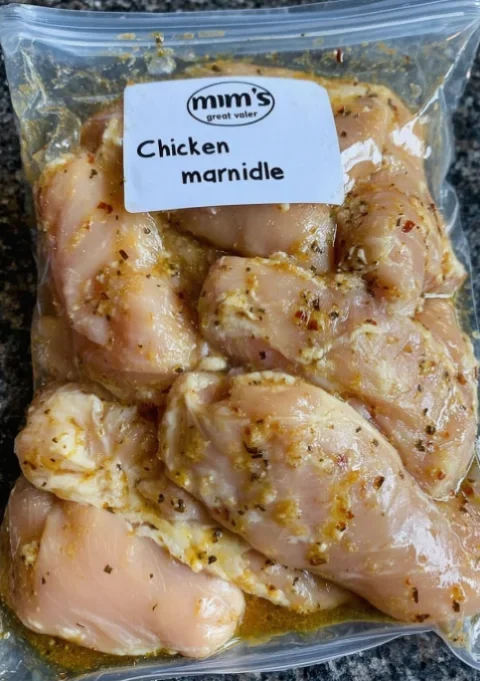
- 1 cup of cooked shrimp, chicken, or tofu (optional) – Choose any protein you prefer, or mix them for a more complex flavor. Consider marinating your protein for added depth, allowing it to absorb flavors that will enhance the overall dish.
- Seasonings:
- 1 teaspoon of garlic powder – Fresh minced garlic can also be used for a stronger flavor. The garlicky aroma will elevate the dish to new heights, creating an inviting scent that fills the kitchen.
- Salt and pepper to taste – Adjust according to your preference, but keep in mind that soy sauce is already salty; always taste as you go to ensure a balanced flavor. This step is essential to achieving that perfect harmony of flavors.
Note: For the best flavor, use high-quality soy sauce and sesame oil. If you’re looking for alternatives, you can substitute white rice with brown rice or cauliflower rice for a healthier option. Brown rice will provide a nuttier flavor and extra texture, while cauliflower rice is great for a low-carb option. Check out our related guide for more tips on how to customize your hibachi rice to fit your dietary needs or preferences, allowing you to enjoy this dish in a way that suits your lifestyle.
Steps / Instructions
- Cook the Rice: Rinse the uncooked rice under cold water until the water runs clear. This removes excess starch and prevents the rice from becoming gummy, which is crucial for achieving that ideal texture. Cook the rice according to package instructions, ideally using a rice cooker for the most consistent results. For added flavor, use chicken or vegetable broth instead of water, infusing the rice with a rich taste that complements the hibachi style, making your hibachi rice even more delicious.
- Prep the Ingredients: While the rice is cooking, chop the onion and prepare your mixed vegetables. Ensure the vegetables are diced uniformly to promote even cooking. If using protein, make sure it’s already cooked and cut into bite-sized pieces; this helps the flavors meld seamlessly during cooking. The more effort you put into the preparation, the smoother the cooking process will be, ultimately leading to a more enjoyable dish.
- Heat the Pan: In a large skillet or wok, heat 2 tablespoons of sesame oil over medium-high heat. Ensure the pan is hot before adding any ingredients for the best sear and to prevent sticking. The oil should shimmer slightly, indicating that it’s ready for the next step. A properly heated pan is vital for achieving that characteristic hibachi texture that everyone loves.
- Sauté the Aromatics: Add the chopped onion to the hot skillet and sauté for about 2-3 minutes, or until it becomes translucent. Stir frequently to prevent burning and to allow the flavors to develop fully. The aroma of the sautéing onion will fill your kitchen, setting the stage for a delicious meal that’s reminiscent of a hibachi restaurant, creating a comforting and inviting atmosphere for your cooking.
- Add Vegetables: Toss in the mixed vegetables and sauté for an additional 3-4 minutes, or until they are tender but still crisp. You want a nice balance; they should be vibrant and not overcooked. Season with garlic powder, salt, and pepper to elevate the flavors as they cook. This step is crucial for maintaining that perfect crunch that contrasts the soft rice, ensuring every bite is delightful.
- Add the Rice: Once the vegetables are cooked, add the cooked rice to the skillet. Break up any clumps and stir well to combine all ingredients. The rice should start to absorb the flavors from the vegetables and oil, creating a cohesive mixture that is both flavorful and satisfying. You may notice the rice beginning to take on a light golden color, which is an excellent indicator of flavor development and caramelization.
- Add Soy Sauce: Pour the soy sauce over the rice mixture and stir thoroughly to ensure even distribution. Allow the rice to cook for another 5-7 minutes, stirring occasionally. This step is crucial as it allows the rice to caramelize slightly, resulting in a slightly crispy texture that is characteristic of hibachi rice. Keep an eye on it to avoid burning; you want that perfect golden crispiness that makes this dish so irresistible.
- Add Protein (if using): If you’re adding cooked shrimp, chicken, or tofu, fold it into the rice mixture and heat through for another 2-3 minutes. This will ensure the protein is adequately warmed and infused with the rice’s flavors, creating a harmonious blend that enhances the overall dish, making it more filling and nutritious.
- Garnish and Serve: Remove the skillet from heat and garnish with sliced green onions. This final touch adds a burst of color and freshness. Serve your hibachi rice hot with additional soy sauce on the side for drizzling, allowing everyone to adjust the flavor to their liking. Presenting your dish beautifully can elevate the dining experience and make it all the more enjoyable, adding to the appeal of your hibachi rice.
Tips & Tricks
To achieve the best hibachi rice, consider the following tips:
- Use Day-Old Rice: Leftover rice works best for this recipe as it’s drier and less sticky, making it easier to fry without clumping. If you don’t have leftover rice, spread freshly cooked rice on a baking sheet to cool and dry out slightly. This step is important to prevent the excessive moisture that can lead to mushy rice, ensuring your final dish has the desired texture.
- High Heat is Key: Cooking over high heat allows for a beautiful char and prevents steaming, which keeps your rice from getting mushy. Make sure your pan is adequately preheated to achieve that perfect sear; this technique is what brings out the authentic hibachi flavor that makes this dish so memorable.
- Don’t Crowd the Pan: If you’re making a large batch, consider cooking in batches to ensure everything gets that perfect sauté. Overcrowding can lead to steaming rather than frying, compromising texture. If necessary, use two pans to maintain that ideal cooking environment, allowing each ingredient to shine.
- Storage Tips: Store leftover hibachi rice in an airtight container in the refrigerator for up to 4 days. Reheat in a skillet or microwave, adding a splash of water to help regain moisture and prevent it from drying out. For best results, reheat on low to preserve the texture and flavor, bringing the dish back to life.
- Make Ahead: You can prepare the rice a day ahead and store it in the fridge. Just warm it up before adding it to the stir-fry. This can save time during busy weeknights or when entertaining guests, allowing you to focus on other dishes or simply enjoy time with friends and family while still serving an exceptional meal.
- Common Mistakes: Avoid adding too much soy sauce at once; you can always add more to taste later. Also, be careful not to overcook the vegetables; they should remain vibrant and crunchy to provide a nice contrast to the rice. Paying attention to these details will ensure your hibachi rice comes out perfectly every time, showcasing your culinary skills.
Conclusion
Hibachi rice is a delightful and versatile dish that can elevate any meal. By following this detailed recipe and utilizing the tips provided, you can create your own delicious hibachi rice right at home. Whether you serve it as a side or a main dish with added protein, it’s sure to impress family and friends with its rich flavors and satisfying texture. The unique blend of ingredients and cooking techniques makes hibachi rice a remarkable addition to your culinary repertoire, allowing you to share a piece of Japanese culture and flavor with those you love. So grab your ingredients, fire up that skillet, and enjoy the delightful taste of hibachi cooking in your kitchen! Your family and friends will thank you for this culinary adventure, and you’ll find that hibachi rice quickly becomes a favorite in your household.
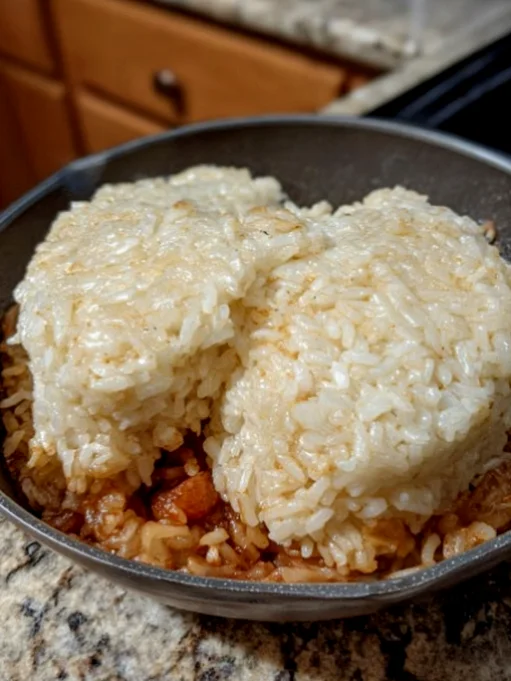
Hibachi Rice
Hibachi rice, a delicious staple of Japanese cuisine, is not just an accompaniment; it's a dish that brings the flavors and techniques of hibachi cooking into your own kitchen.
Ingredients
- 2 cups of uncooked long-grain white rice
- 3 tablespoons of soy sauce
- 2 tablespoons of sesame oil
- 1 cup of mixed vegetables (peas, carrots, and corn or bell peppers)
- 1 small onion, finely chopped
- 2 green onions, sliced (for garnish)
- 1 cup of cooked shrimp, chicken, or tofu (optional)
- 1 teaspoon of garlic powder
- Salt and pepper to taste
Directions
Rinse the uncooked rice under cold water until the water runs clear. Cook the rice according to package instructions, ideally using a rice cooker.
While the rice is cooking, chop the onion and prepare your mixed vegetables. Ensure the vegetables are diced uniformly.
In a large skillet or wok, heat 2 tablespoons of sesame oil over medium-high heat.
Add the chopped onion to the hot skillet and sauté for about 2-3 minutes, or until translucent.
Toss in the mixed vegetables and sauté for an additional 3-4 minutes, or until they are tender but still crisp. Season with garlic powder, salt, and pepper.
Once the vegetables are cooked, add the cooked rice to the skillet. Break up any clumps and stir well to combine all ingredients.
Pour the soy sauce over the rice mixture and stir thoroughly to ensure even distribution. Allow the rice to cook for another 5-7 minutes, stirring occasionally.
Nutrition Facts
Recipe Reviews
- ★★★★★
Excellent recipe!
Leave a Reply
Your email address will not be published. Required fields are marked *