Indulge in the rich flavors of a Seared Ribeye Steak With Red Wine Pan Gravy, a dish that epitomizes comfort and elegance. This recipe showcases the ribeye steak, known for its marbling and tenderness, which provides a succulent base for a luxurious gravy made with red wine. The combination not only elevates the steak but also adds a gourmet touch to any dinner table, making it perfect for special occasions or a cozy night in. With its roots in classic French cuisine, this dish invites you to explore the depths of flavor that can be achieved with simple yet high-quality ingredients. The addition of red wine adds a depth of flavor that enhances the savory notes of the beef, making every bite a delightful experience. The interplay of the juicy steak with the richly flavored gravy creates a memorable dish that not only satisfies hunger but also brings a sense of culinary achievement. Each component is meticulously crafted, lending itself to a dining experience that feels both luxurious and comforting at once.
Ingredients
- For the Steak:
- 2 ribeye steaks (about 1-inch thick, around 12 ounces each; ensure they are well-marbled for maximum flavor and tenderness, as the fat content is key to a juicy steak)
- Salt (preferably kosher or sea salt, which enhances the natural flavors of the meat; avoid table salt as it can overpower the steak and create an unbalanced flavor profile)
- Freshly ground black pepper (for a hint of spice and aroma; freshly ground provides a more complex flavor than pre-ground, making a noticeable difference in taste)
- 2 tablespoons olive oil or clarified butter (for high heat cooking and flavor; clarified butter has a higher smoke point, making it ideal for searing and preventing burnt flavors)
- 2 cloves garlic, smashed (to infuse the oil with flavor; using fresh garlic enhances the overall taste, adding a fragrant and savory note)
- 2 sprigs fresh thyme (optional, but highly recommended for added aroma; fresh herbs elevate the dish significantly, bringing a burst of freshness)
- For the Red Wine Pan Gravy:
- 1 cup red wine (choose a full-bodied variety, such as Cabernet Sauvignon or Merlot, to enhance the richness; avoid sweet wines as they can alter the flavor profile and make the gravy overly sweet)
- 1 cup beef broth (preferably homemade or low-sodium for better control over saltiness; homemade broth will impart a deeper flavor, enhancing the overall dish)
- 1 tablespoon unsalted butter (for finishing the gravy with a glossy richness; unsalted allows you to control seasoning better, ensuring a balanced flavor)
- 1 tablespoon all-purpose flour (for thickening the gravy; ensure it is whisked well to avoid lumps, creating a smooth and velvety texture)
- 1 small shallot, finely chopped (for sweetness and depth of flavor; shallots provide a refined taste compared to regular onions, adding a delicate sweetness)
- Salt and pepper to taste (for final seasoning and balance; taste as you go to ensure the gravy achieves the desired flavor, making adjustments as necessary)
Choosing high-quality, grass-fed beef for the best flavor and texture is crucial; the marbling in grass-fed ribeye steaks enhances juiciness and adds a rich taste that is hard to beat. Selecting steaks that are at least 1-inch thick ensures that they cook evenly and remain juicy, avoiding the potential of overcooked edges and a cold center. If you prefer a non-alcoholic option, you can substitute the red wine with beef broth or a rich grape juice to maintain some depth of flavor without the alcohol. For a richer gravy, consider using a combination of red wine and balsamic vinegar, which adds a slightly sweet and tangy note that complements the beef beautifully. You can even explore different types of red wine to see how they impact the gravy’s flavor, experimenting with varietals that resonate with your palate. For more information on wine pairings, you can learn more about this topic and uncover the nuances of pairing wines with various meats, helping you select the perfect accompaniment for your steak.
Steps / Instructions
- Prepare the Steaks: Remove the ribeye steaks from the refrigerator and allow them to rest at room temperature for about 30 minutes. This ensures even cooking throughout the meat, preventing it from being cold in the center. This technique helps achieve a perfect sear, as a cold steak can result in uneven cooking, leading to a less-than-ideal texture.
- Season: Generously season both sides of the steaks with salt and black pepper. Use your hands to press the seasoning into the meat to ensure it adheres well and enhances the flavor. Don’t be shy with the seasoning; a well-seasoned steak is key to a delicious outcome. Aim for an even coat that covers the entire surface for maximum flavor.
- Heat the Pan: In a cast iron skillet, heat 2 tablespoons of olive oil or clarified butter over medium-high heat until shimmering but not smoking. This high heat is essential for achieving a beautiful sear. A properly heated skillet will create a crust that locks in the juices, enhancing the flavor and providing that coveted caramelization.
- Sear the Steaks: Carefully place the steaks into the hot skillet. Sear for about 4-5 minutes on one side without moving them. The goal is to develop a nice crust that locks in the juices and adds a complex flavor. You can tell it’s ready to flip when the steak releases easily from the pan without sticking, ensuring a perfect sear.
- Flip the Steaks: Add smashed garlic and thyme to the skillet, then flip the steaks. Sear for another 4-5 minutes for medium-rare doneness, adjusting cooking time according to your preferred doneness; aim for an internal temperature of 130°F (54°C) for medium-rare. Use a meat thermometer for accuracy, especially if you’re unsure, as this will help you achieve your preferred doneness.
- Rest the Steaks: Remove the steaks from the skillet and transfer them to a cutting board. Tent loosely with aluminum foil and let them rest for 5-10 minutes. This resting period allows the juices to redistribute throughout the meat, resulting in a juicier steak. This step is often overlooked but is crucial for optimal flavor and texture, making sure every bite is succulent.
- Make the Gravy: In the same skillet, lower the heat to medium and add the finely chopped shallot. Sauté for 1-2 minutes until softened and fragrant, scraping up any flavorful bits left in the pan. These browned bits, known as fond, are packed with flavor and will enhance your gravy significantly.
- Deglaze: Pour in the red wine, scraping up the browned bits from the bottom of the skillet with a wooden spoon. Allow it to simmer for about 3-4 minutes until reduced by half, intensifying the flavors in the gravy. This step is vital for developing the gravy’s depth and complexity, bringing out the rich notes of the wine.
- Add Broth: Stir in the beef broth and bring the mixture to a gentle simmer. Let it reduce for 5-7 minutes, allowing the flavors to meld together beautifully. The goal here is to achieve a thick, luscious gravy that will coat your steak perfectly, enhancing each mouthful with its rich flavor.
- Thicken the Gravy: In a small bowl, mix the flour with a tablespoon of water to create a slurry. Whisk this into the simmering gravy and cook for another 2-3 minutes until thickened. Remove from heat and stir in 1 tablespoon of butter for richness. Season with salt and pepper to taste for balance. The final seasoning is key, as it ties all the flavors together, ensuring a cohesive and delicious gravy.
Tips & Tricks
To achieve the perfect sear on your steak, ensure your skillet is adequately preheated before adding the meat. Avoid overcrowding the pan, which can cause steaming rather than searing; if necessary, cook in batches to maintain that coveted crust. For the best flavor, let the steak rest after cooking to allow the juices to redistribute throughout the meat, enhancing its tenderness and juiciness. Check out our related guide for more tips on perfecting your steak-cooking technique, including ideal cooking times and techniques for various steak cuts that suit different preferences.
If you have leftovers, store the steak in an airtight container in the refrigerator for up to 3 days. Reheat gently in a skillet over low heat or in the oven covered with foil to prevent drying out and to maintain the steak’s delicious texture. Slicing the steak before reheating can help it warm through evenly without losing moisture, ensuring that it remains succulent.
For a make-ahead option, prepare the red wine gravy a day in advance and reheat it before serving. This can deepen the flavors, making your gourmet dinner idea even more impressive and ensuring that the dish is ready to serve without last-minute fuss. You can also serve the gravy over mashed potatoes, pasta, or even roasted vegetables for a delightful meal, allowing versatility in how you enjoy this rich and satisfying dish.
Conclusion
Embark on the culinary journey of making a Seared Ribeye Steak With Red Wine Pan Gravy, a true comfort food recipe that combines hearty flavors with elegant presentation. This dish not only showcases the beauty of quality ingredients but also invites you to explore the art of cooking a perfectly seared steak. Whether for a special occasion or a romantic steak dinner for two, this dish is sure to impress everyone at your table with its layers of flavor and delightful textures. Get ready to enjoy a meal that brings warmth and satisfaction with every bite, creating lasting memories around your dining table!
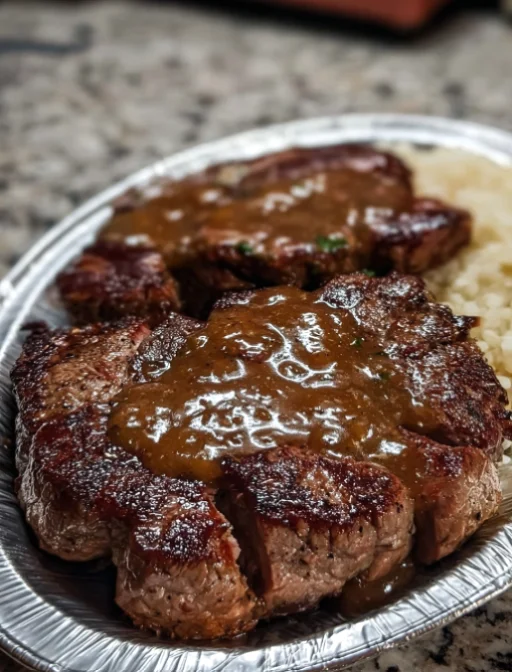
Seared Ribeye Steak With Red Wine Pan Gravy
Indulge in the rich flavors of a Seared Ribeye Steak With Red Wine Pan Gravy, a dish that epitomizes comfort and elegance. This recipe showcases the ribeye steak, known for its marbling and tenderness, which provides a succulent base for a luxurious gravy made with red wine.
Ingredients
- 2 ribeye steaks (about 1-inch thick, around 12 ounces each)
- Salt (preferably kosher or sea salt)
- Freshly ground black pepper
- 2 tablespoons olive oil or clarified butter
- 2 cloves garlic, smashed
- 2 sprigs fresh thyme (optional)
- 1 cup red wine (full-bodied variety, such as Cabernet Sauvignon or Merlot)
- 1 cup beef broth (preferably homemade or low-sodium)
- 1 tablespoon unsalted butter
- 1 tablespoon all-purpose flour
- 1 small shallot, finely chopped
- Salt and pepper to taste
Directions
Remove the ribeye steaks from the refrigerator and allow them to rest at room temperature for about 30 minutes.
Generously season both sides of the steaks with salt and black pepper.
In a cast iron skillet, heat 2 tablespoons of olive oil or clarified butter over medium-high heat until shimmering but not smoking.
Carefully place the steaks into the hot skillet. Sear for about 4-5 minutes on one side without moving them.
Add smashed garlic and thyme to the skillet, then flip the steaks. Sear for another 4-5 minutes for medium-rare doneness.
Remove the steaks from the skillet and tent loosely with aluminum foil. Let them rest for 5-10 minutes.
In the same skillet, lower the heat to medium and add the finely chopped shallot. Sauté for 1-2 minutes until softened.
Pour in the red wine, scraping up the browned bits from the bottom of the skillet and allow it to simmer for about 3-4 minutes until reduced by half.
Stir in the beef broth and bring the mixture to a gentle simmer. Let it reduce for 5-7 minutes.
In a small bowl, mix the flour with a tablespoon of water to create a slurry. Whisk this into the simmering gravy and cook for another 2-3 minutes until thickened.
Recipe Reviews
- ★★★★★
Excellent recipe!
Leave a Reply
Your email address will not be published. Required fields are marked *