Introduction
Spaghetti bolognese, a classic Italian dish, has been a staple of Italian cuisine for centuries. This beloved recipe has been passed down through generations, with its rich flavors and hearty ingredients making it a favorite among pasta lovers. The dish originates from Bologna, Italy, where it is known as “ragù alla bolognese” or simply “tagliatelle al ragù.” The traditional recipe involves a slow-cooked meat sauce made with ground beef, pork, or a combination of the two, simmered with tomatoes, onions, carrots, celery, and sometimes red wine. In this article, we will delve into the world of spaghetti bolognese, exploring its history, cultural significance, and providing a step-by-step guide to preparing this iconic dish.
The cultural significance of spaghetti bolognese cannot be overstated. It is a dish that brings people together, often served at family gatherings, special occasions, and casual dinner parties. The aroma of slow-cooked meat sauce wafting from the kitchen is sure to tantalize the taste buds and evoke a sense of warmth and comfort. As we explore the world of spaghetti bolognese, we will discover the secrets to creating an authentic, mouth-watering dish that will leave your guests wanting more. The key to a great spaghetti bolognese is to use high-quality ingredients, such as fresh vegetables and lean ground beef, which will add depth and richness to the sauce.
Spaghetti bolognese is a dish that is deeply rooted in Italian culture and tradition. The recipe has been passed down through generations, with each region in Italy having its own unique twist and variation. The dish is often served at family gatherings and special occasions, where it is devoured with gusto and appreciation. Whether you’re a seasoned chef or a beginner cook, spaghetti bolognese is a dish that is sure to impress and delight, with its rich flavors and satisfying texture making it a true classic.
Ingredients
To prepare an authentic spaghetti bolognese, you will need the following ingredients: Check out our related guide for more tips.
- 500g ground beef
- 1 medium onion, finely chopped
- 2 cloves of garlic, minced
- 2 medium carrots, finely chopped
- 2 stalks of celery, finely chopped
- 1 (28-oz) can of crushed tomatoes
- 1 cup of red wine (optional)
- 1 tablespoon of tomato paste
- 1 teaspoon of dried basil
- 1 teaspoon of dried oregano
- Salt and black pepper, to taste
- 1 pound of spaghetti
- Grated Parmesan cheese, for serving
- Fresh parsley, chopped, for garnish
When selecting ingredients, it’s essential to choose high-quality products to ensure the best flavor and texture. Look for fresh, fragrant herbs and spices, and opt for grass-fed ground beef for a more authentic flavor. If using red wine, choose a medium-bodied variety, such as Chianti or Dolcetto, to add depth and complexity to the sauce. Additionally, consider using San Marzano tomatoes, which are known for their sweet-tart flavor and low acidity, making them ideal for spaghetti bolognese.
It’s also important to note that the quality of the ingredients can greatly impact the final result of the dish. Fresh, high-quality ingredients will add depth, richness, and complexity to the sauce, while low-quality ingredients can result in a bland, unappetizing dish. By choosing the best ingredients available, you can ensure that your spaghetti bolognese is a true reflection of the traditional Italian dish.
Steps / Instructions
To prepare the spaghetti bolognese, follow these steps:
- In a large pot or Dutch oven, heat 2 tablespoons of olive oil over medium heat. Add the chopped onion, garlic, carrots, and celery, and cook until the vegetables are softened, about 8-10 minutes.
- Add the ground beef, breaking it up with a spoon as it cooks, until it is no longer pink, about 5-7 minutes.
- Add the crushed tomatoes, red wine (if using), tomato paste, dried basil, and dried oregano. Season with salt and black pepper to taste. Stir to combine, then bring the sauce to a simmer.
- Reduce the heat to low and let the sauce simmer, stirring occasionally, for 2-3 hours, or until the sauce has thickened and the flavors have melded together.
- While the sauce is simmering, cook the spaghetti in a large pot of boiling, salted water until it is al dente. Reserve 1 cup of pasta water before draining the spaghetti.
- Add the cooked spaghetti to the sauce, tossing to combine, and adding some reserved pasta water if the sauce seems too thick.
- Serve the spaghetti bolognese hot, topped with grated Parmesan cheese and chopped fresh parsley.
As the sauce simmers, the aroma of slow-cooked meat and tomatoes will fill your kitchen, teasing your taste buds and building anticipation for the finished dish. The key to a great spaghetti bolognese is to cook the sauce slowly, allowing the flavors to meld together and the sauce to thicken, creating a rich, velvety texture that coats the pasta perfectly. To enhance the flavor of the sauce, consider adding other ingredients, such as mushrooms or bell peppers, which can add texture and depth to the dish.
It’s also important to note that the cooking time can vary depending on the type of ground beef used and the desired level of doneness. If using a leaner ground beef, the cooking time may be shorter, while a fattier ground beef may require a longer cooking time. By adjusting the cooking time and heat level, you can ensure that the sauce is cooked to perfection and the spaghetti is al dente.
Tips & Tricks
To achieve the best results, follow these tips and tricks:
- Use high-quality ingredients, such as grass-fed ground beef and fresh, fragrant herbs, to ensure the best flavor and texture.
- Acidity is essential in tomato-based sauces, so don’t be afraid to add a splash of red wine or a squeeze of fresh lemon juice to balance the flavors.
- Let the sauce simmer slowly, stirring occasionally, to allow the flavors to meld together and the sauce to thicken.
- Reserve some pasta water before draining the spaghetti, as this can be added to the sauce to achieve the perfect consistency.
- Don’t overcook the spaghetti, as this can result in a mushy, unappetizing texture. Aim for al dente, which will provide a pleasant bite and texture contrast to the soft, velvety sauce.
For more information on cooking techniques and recipes, visit the Epicurious website, which offers a wealth of resources and inspiration for home cooks. Additionally, the Food Network website provides a range of recipes, cooking shows, and expert advice from renowned chefs. By following these tips and tricks, you can create a delicious and authentic spaghetti bolognese that will impress and delight your guests.
When making spaghetti bolognese, it’s also important to consider the type of pasta used. Traditional spaghetti is the most common choice, but other long, thin pasta shapes, such as angel hair or capellini, can also work well. The key is to choose a pasta that will hold the sauce well and provide a pleasant texture contrast to the soft, velvety sauce.
Variations
While traditional spaghetti bolognese is a beloved classic, there are many creative variations and substitutions that can be made to customize the recipe. Some ideas include:
- Adding other meats, such as pork, veal, or sausage, to the sauce for added depth and complexity.
- Using different types of tomatoes, such as cherry tomatoes or San Marzano tomatoes, for a sweeter, more intense flavor.
- Adding other vegetables, such as mushrooms, bell peppers, or zucchini, to the sauce for added texture and nutrition.
- Using gluten-free pasta or vegan alternatives to accommodate dietary restrictions.
- Experimenting with different herbs and spices, such as bay leaves or nutmeg, to create a unique flavor profile.
These variations can help to keep the recipe fresh and exciting, while still maintaining the traditional flavors and techniques that make spaghetti bolognese a beloved classic. By experimenting with different ingredients and flavor combinations, you can create a unique and delicious spaghetti bolognese that reflects your personal taste and style.
One of the benefits of spaghetti bolognese is its versatility, making it a great dish to serve at a variety of occasions, from casual dinner parties to special events. The dish can be made ahead of time and reheated, making it a convenient option for busy home cooks. Additionally, the sauce can be frozen and stored for later use, making it a great option for meal prep and planning.
Serving Suggestions
Spaghetti bolognese is a versatile dish that can be served in a variety of ways. Some ideas include:
- Serving the spaghetti hot, topped with grated Parmesan cheese and chopped fresh parsley, for a classic, comforting meal.
- Adding a side of garlic bread or a green salad for a well-rounded, satisfying meal.
- Using the spaghetti bolognese as a base for other dishes, such as spaghetti cakes or pasta bakes.
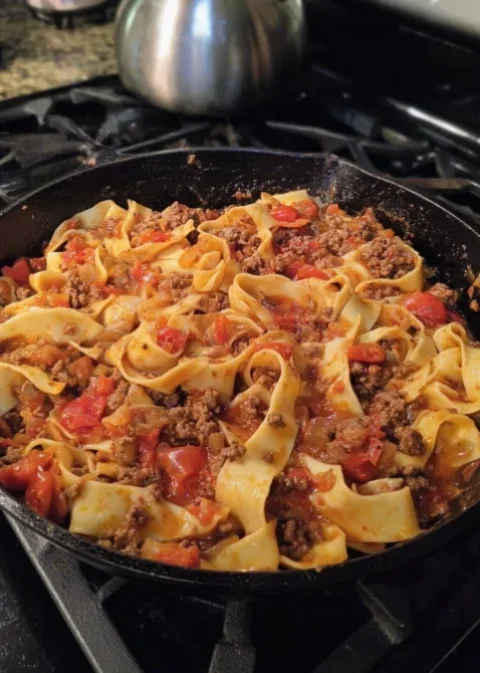
- Experimenting with different types of pasta, such as pappardelle or rigatoni, for a change of pace.
- Pairing the spaghetti bolognese with a glass of red wine, such as Chianti or Dolcetto, for a sophisticated, adult meal.
These serving suggestions can help to elevate the dish and create a memorable, enjoyable dining experience. By adding a few simple touches, such as a sprinkle of Parmesan cheese or a drizzle of extra virgin olive oil, you can take the dish to the next level and make it a truly special occasion.
When serving spaghetti bolognese, it’s also important to consider the presentation and aesthetics of the dish. A simple yet elegant presentation, such as a sprinkle of parsley and a few slices of garlic bread on the side, can make the dish feel more special and impressive. By paying attention to the details and adding a few decorative touches, you can create a beautiful and inviting dish that will delight your guests and leave a lasting impression.
FAQ
Some common questions about spaghetti bolognese include:
- What type of pasta is best for spaghetti bolognese? Traditional spaghetti is the most common choice, but other long, thin pasta shapes, such as angel hair or capellini, can also work well.
- Can I make spaghetti bolognese ahead of time? Yes, the sauce can be made ahead of time and refrigerated or frozen for later use. Simply reheat the sauce and cook the pasta when you’re ready to serve.
- Is spaghetti bolognese a healthy dish? While spaghetti bolognese can be a nutritious meal option, it is high in calories and fat due to the ground beef and Parmesan cheese. However, using leaner meats and reducing the amount of cheese can help to make the dish healthier.
These answers can help to address common questions and concerns, and provide a better understanding of the dish and its preparation. By understanding the basics of spaghetti bolognese, you can create a delicious and authentic dish that will impress and delight your guests.
One of the benefits of spaghetti bolognese is its rich, meaty flavor, which is achieved through the slow cooking of the sauce. The sauce is typically cooked for several hours, which allows the flavors to meld together and the sauce to thicken, creating a rich, velvety texture that coats the pasta perfectly. By cooking the sauce slowly and patiently, you can create a truly authentic and delicious spaghetti bolognese that will leave your guests wanting more.
Conclusion
In conclusion, spaghetti bolognese is a beloved classic that has been enjoyed for generations. With its rich, meaty sauce and al dente pasta, it’s a dish that is sure to satisfy even the heartiest of appetites. By following the steps and tips outlined in this article, you can create an authentic, mouth-watering spaghetti bolognese that will leave your guests wanting more. So why not give it a try? With its rich flavors and satisfying texture, spaghetti bolognese is a dish that is sure to become a staple in your kitchen. For more recipe ideas and cooking inspiration, be sure to check out the Spaghetti with Meat Sauce recipe, which offers a similar flavor profile and cooking technique. Additionally, the Ultimate Guide to Pasta Salad provides a wealth of information and inspiration for creating delicious, easy-to-make pasta dishes.
By mastering the art of spaghetti bolognese, you can create a delicious and authentic Italian dish that will impress and delight your guests. With its rich flavors and satisfying texture, spaghetti bolognese is a dish that is sure to become a favorite in your household. So why not give it a try and experience the delicious flavors and aromas of this beloved classic? The primary focus keyword “spaghetti bolognese” is a great way to describe this dish, and by following the steps and tips outlined in this article, you can create a truly authentic and delicious spaghetti bolognese that will leave your guests wanting more.
In addition to its rich flavors and satisfying texture, spaghetti bolognese is also a versatile dish that can be served in a variety of ways. From casual dinner parties to special events, spaghetti bolognese is a great option for any occasion. By experimenting with different ingredients and flavor combinations, you can create a unique and delicious spaghetti bolognese that reflects your personal taste and style. So why not give it a try and experience the delicious flavors and aromas of this beloved classic?
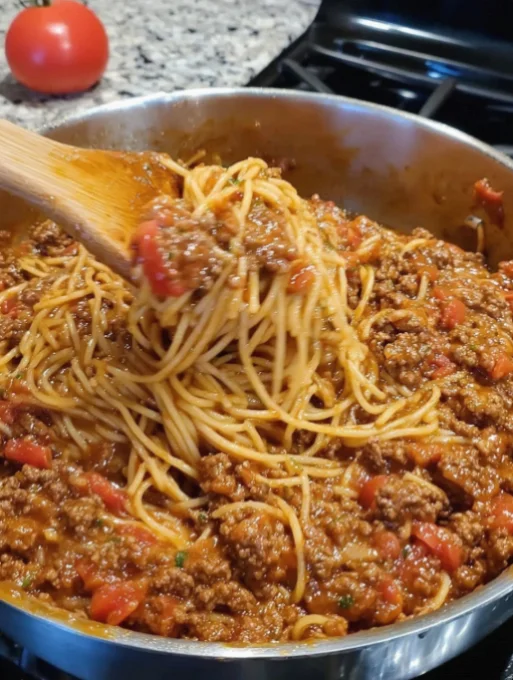
Spaghetti Bolognese
A classic Italian dish made with ground beef, tomatoes, and spaghetti
Ingredients
- 500g ground beef
- 1 medium onion, finely chopped
- 2 cloves of garlic, minced
- 2 medium carrots, finely chopped
- 2 stalks of celery, finely chopped
- 1 (28-oz) can of crushed tomatoes
- 1 cup of red wine (optional)
- 1 tablespoon of tomato paste
- 1 teaspoon of dried basil
- 1 teaspoon of dried oregano
- Salt and black pepper, to taste
- 1 pound of spaghetti
- Grated Parmesan cheese, for serving
- Fresh parsley, chopped, for garnish
Directions
In a large pot or Dutch oven, heat 2 tablespoons of olive oil over medium heat. Add the chopped onion, garlic, carrots, and celery, and cook until the vegetables are softened, about 8-10 minutes.
Add the ground beef, breaking it up with a spoon as it cooks, until it is no longer pink, about 5-7 minutes.
Add the crushed tomatoes, red wine (if using), tomato paste, dried basil, and dried oregano. Season with salt and black pepper to taste. Stir to combine, then bring the sauce to a simmer.
Reduce the heat to low and let the sauce simmer, stirring occasionally, for 2-3 hours, or until the sauce has thickened and the flavors have melded together.
While the sauce is simmering, cook the spaghetti in a large pot of boiling, salted water until it is al dente. Reserve 1 cup of pasta water before draining the spaghetti.
Add the cooked spaghetti to the sauce, tossing to combine, and adding some reserved pasta water if the sauce seems too thick.
Serve the spaghetti bolognese hot, topped with grated Parmesan cheese and chopped fresh parsley.
Recipe Reviews
- ★★★★★
Excellent recipe!
Leave a Reply
Your email address will not be published. Required fields are marked *