Introduction
Roast beef is a classic dish that has graced dining tables for centuries, beloved for its rich flavors and tender texture. This traditional dish hails from British cuisine, where it’s often served during Sunday lunches alongside Yorkshire pudding and vegetables. Its popularity stems not only from its delicious taste but also from its versatility, making it suitable for both formal dinners and casual family meals. In this recipe, we explore how to create a tender roast beef that is perfect for any occasion, whether it’s a gourmet roast beef dinner for family gatherings or a simple roast beef recipe for a weekday meal. With the right techniques, you can achieve the perfect roast beef with a crisp, herb-crusted exterior and a succulent, juicy interior. Learning how to master this dish can be a rewarding culinary journey that connects you with centuries-old cooking traditions. Roast beef’s ability to be paired with a variety of sides and sauces makes it a staple in many households, offering a satisfying meal that both warms the heart and elevates everyday dining.
Ingredients
- Beef: 3-4 pounds of your choice of the best cuts for roast beef, such as ribeye, sirloin, or tenderloin. Look for beef with a good amount of marbling, as the fat will melt during cooking and enhance the flavor and tenderness. Selecting a high-quality cut can significantly impact the final taste and texture of your roast beef.
- Dry Ingredients:
- 2 tablespoons of kosher salt – essential for seasoning and drawing out flavors. Proper salting is key to a well-seasoned roast beef, as it penetrates through the meat during cooking.
- 1 tablespoon of freshly ground black pepper – adds a subtle heat and enhances the beef’s natural taste. Freshly ground pepper intensifies the overall aromatic profile.
- 2 teaspoons of garlic powder – offers a mellow, savory flavor base. Garlic powder integrates smoothly, ensuring an even distribution of flavor.
- 1 teaspoon of onion powder – complements the garlic and provides depth. It adds a slight sweetness that balances the savory elements.
- 1 tablespoon of dried thyme – brings an earthy, aromatic quality to the roast. Thyme adds complexity and pairs well with beef’s robust flavor.
- Wet Ingredients:
- 2 tablespoons of olive oil – helps the seasoning adhere and contributes to a crispy crust. It also adds a layer of richness to the final dish.
- 2 tablespoons of Dijon mustard – adds a tangy kick and helps the rub stick to the beef. The mustard’s acidity enhances the overall flavor complexity.
- Vegetables (optional):
- 4 carrots, peeled and cut into chunks – their sweetness pairs well with the savory beef. Carrots become tender and infuse with beef juices during roasting.
- 2 onions, quartered – they caramelize beautifully, adding a natural, sweet flavor. Caramelized onions contribute an additional layer of savory depth.
- 4 potatoes, quartered – become tender and absorb the delicious beef juices. Potatoes provide a hearty, comforting element to the meal.
Steps / Instructions
- Preheat your oven to 375°F (190°C). Ensuring the oven is properly preheated is crucial for even cooking. A consistent temperature helps achieve a uniform roast beef color and texture.
- In a small bowl, mix together the kosher salt, black pepper, garlic powder, onion powder, and dried thyme to create a classic roast beef seasoning. This mixture will serve as the flavor foundation of your roast beef. Properly mixing these enhances the infusion of flavors into the meat.
- Pat the beef dry with paper towels. This ensures that the seasoning adheres well to the surface, helping to form a flavorful crust during roasting. Drying the beef is a crucial step that prevents steaming, ensuring a crisp crust.
- Rub the olive oil all over the surface of the beef, followed by the Dijon mustard for a flavorful roast beef rub. The mustard adds both moisture and a tangy layer that enhances the crust. This binding layer ensures the seasoning sticks without clumping.
- Sprinkle the seasoning mixture evenly over the beef, pressing it gently to ensure it sticks. Make sure to cover all sides for uniform flavor. Taking care to season all surfaces ensures every bite is flavorful.
- Place the beef into a roasting pan, and arrange the vegetables around it, if using. This allows the vegetables to roast in the flavorful beef drippings. The vegetables will absorb the meat’s juices, enhancing their flavor.
- Roast in the oven for about 20 minutes per pound for medium-rare, or adjust according to your desired roast beef cooking time. Adjust cooking times for desired doneness: 20 minutes per pound for medium, 25 minutes per pound for well-done. Monitoring time is key to achieving your preferred roast beef doneness.
- Use a meat thermometer to check the internal temperature; aim for 130°F (54°C) for medium-rare. Ensure the thermometer is inserted into the thickest part of the beef for an accurate reading. This tool helps avoid overcooking and ensures precision.
- Once cooked, remove the beef from the oven and let it rest for 15-20 minutes on a cutting board. This allows the juices to redistribute, ensuring a moist, tender roast beef. Cover loosely with foil to retain warmth. Resting is essential to achieving a juicy and tender final product.
- Carve the beef into thin slices against the grain for the best texture and serve with the roasted vegetables and savory beef gravy. Slicing against the grain shortens the muscle fibers, making each bite exceptionally tender. Properly slicing enhances tenderness and presentation.
Tips & Tricks
- Choosing the right cut: For the best cuts for roast beef, opt for well-marbled pieces like ribeye or sirloin for a rich flavor. Tenderloin is also a luxurious choice, although it may require a shorter cooking time due to its leaner nature. Understanding each cut’s characteristics helps tailor the cooking process for optimal results.
- Resting time: Allowing the beef to rest after cooking is crucial for a juicy interior. This step should not be skipped! The resting process allows the fibers to relax and reabsorb the juices, preventing them from spilling out during carving. Properly rested beef ensures a flavorful and satisfying eating experience.
- Storage: Store leftovers in an airtight container in the refrigerator for up to 3 days. For optimal taste, reheat gently in the oven or consume cold in sandwiches. Proper storage maintains quality and flavor over time.
- Make-ahead option: The seasoning rub can be prepared a day in advance to save time on the day of cooking. This also allows the flavors to meld, intensifying their impact. Pre-preparation makes cooking more efficient and flavors more robust.
- Avoid overcooking: Use a meat thermometer for accuracy to prevent overcooking the beef. Different cuts have varying levels of doneness preference, so adjust accordingly. Accurate temperature monitoring preserves the preferred texture and taste.
- Enhancing flavor: Adding a splash of red wine or beef broth to the roasting pan can intensify the flavor and provide a savory base for gravy. This technique enhances the depth and richness of the roast beef and its accompaniments.
Variations
- Herb-Crusted Roast Beef: Add fresh herbs like rosemary and sage to the seasoning for a fragrant twist. Rosemary infuses the beef with a pine-like aroma that pairs beautifully with the rich flavors. Fresh herbs bring a vibrant and aromatic dimension to the dish.
- Gluten-Free: Ensure all seasonings are gluten-free, and skip the mustard if necessary. Consider using gluten-free soy sauce or balsamic vinegar for additional flavor without gluten. These substitutions allow those with dietary restrictions to enjoy this classic dish.
- Vegan Substitute: Try a hearty vegetable roast using the same seasoning mix. Incorporate root vegetables like parsnips and beets for a robust, satisfying dish. This variation provides a delicious alternative that maintains the essence of the original recipe.
- Spicy Roast Beef: For those who prefer a bit of heat, add a teaspoon of cayenne pepper to the seasoning mix. This adds a spicy kick that complements the beef’s savory flavors.
Serving Suggestions
- Serve the roast beef with Slow Cooker Chuck Roast with Vegetables or a refreshing Cucumber and Tomato Salad for a balanced meal. These sides complement the savory richness of the beef perfectly. The combination of flavors and textures creates a harmonious dining experience.
- Pair with a bold red wine, such as Cabernet Sauvignon, to complement the rich flavors of the roast beef. The tannins in the wine cut through the meat’s richness, enhancing the overall dining experience. A well-chosen wine elevates the meal to a gourmet level.
- For dessert, consider a light option like flan or custard dessert. Their creamy sweetness provides a delightful contrast to the savory main course. A thoughtfully selected dessert rounds off the meal beautifully.
- Optionally, serve with a side of creamy horseradish sauce, which adds a tangy and spicy element to the dish, enhancing the flavor profile of the roast beef.
FAQ
- How can I ensure my roast beef is tender? Choose well-marbled cuts and avoid overcooking. Resting the meat after cooking is crucial for tenderness. The marbling melts during cooking, lubricating and flavoring the meat. Proper technique and timing contribute to a tender result.
- What is the best way to slice roast beef? Always slice against the grain to ensure tender slices. This shortens the muscle fibers, making each bite easier to chew. Correct slicing is vital for maintaining texture and enhancing the eating experience.
- Can I make roast beef sandwiches with leftovers? Absolutely! Thinly slice the cold roast beef and serve with crusty bread and toppings of your choice. Add horseradish sauce or a slice of cheese for an extra flavor punch. Leftovers transform into a delicious, quick meal option.
- Is it necessary to use a meat thermometer? While not mandatory, a meat thermometer ensures precise doneness and prevents overcooking, making it a valuable tool for achieving perfect roast beef.
Conclusion
Preparing a perfectly cooked roast beef doesn’t have to be a daunting task. With the right techniques and ingredients, you can enjoy a flavorful roast beef that boasts a juicy, tender interior and an aromatic crust. Whether serving it as part of a gourmet roast beef dinner or as the star of a roast beef sandwich, this traditional dish is sure to impress. The journey of creating this dish is not only about mastering a recipe but embracing a culinary tradition that has been cherished for generations. Try this recipe and bring a taste of classic cuisine to your table, and don’t forget to explore delightful pairings like the slow-cooked chuck roast with vegetables for a complete meal experience. We invite you to give this recipe a try and share your cooking experiences with us! The satisfaction of crafting a meal that is both a nod to tradition and a delicious feast is rewarding for any home cook.
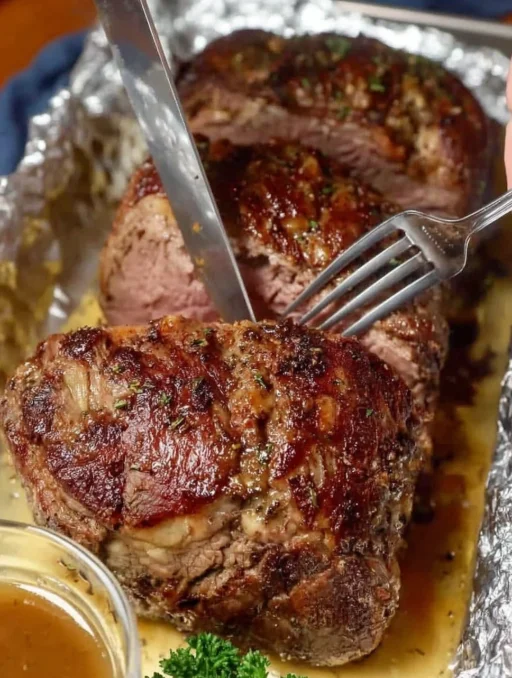
Roast Beef
A classic dish from British cuisine, roast beef is known for its rich flavors and tender texture. This recipe offers a succulent roast beef with a crisp, herb-crusted exterior.
Ingredients
- 3-4 pounds beef, such as ribeye, sirloin, or tenderloin
- 2 tablespoons kosher salt
- 1 tablespoon freshly ground black pepper
- 2 teaspoons garlic powder
- 1 teaspoon onion powder
- 1 tablespoon dried thyme
- 2 tablespoons olive oil
- 2 tablespoons Dijon mustard
- 4 carrots, peeled and cut into chunks (optional)
- 2 onions, quartered (optional)
- 4 potatoes, quartered (optional)
Directions
Preheat your oven to 375°F (190°C).
In a small bowl, mix together the kosher salt, black pepper, garlic powder, onion powder, and dried thyme.
Pat the beef dry with paper towels.
Rub the olive oil all over the surface of the beef, followed by the Dijon mustard.
Sprinkle the seasoning mixture evenly over the beef, pressing it gently to ensure it sticks.
Place the beef into a roasting pan, and arrange the vegetables around it, if using.
Roast in the oven for about 20 minutes per pound for medium-rare, or adjust according to your desired cooking time.
Use a meat thermometer to check the internal temperature; aim for 130°F (54°C) for medium-rare.
Once cooked, remove the beef from the oven and let it rest for 15-20 minutes on a cutting board.
Carve the beef into thin slices against the grain and serve with the roasted vegetables and savory beef gravy.
Recipe Reviews
- ★★★★★
Excellent recipe!
Leave a Reply
Your email address will not be published. Required fields are marked *